Provigil Clinical Review Home

Category

Clinical Research & Professional Use

18 articles

Calibrating Skepticism: A Framework for Evaluating Modafinil Claims in Telehealth Platforms, Wellness Media, and Online Communities

Calibrating Skepticism: A Framework for Evaluating Modafinil Claims in Telehealth Platforms, Wellness Media, and Online Communities

The digital health information ecosystem has become a primary source of modafinil knowledge for a significant proportion of US patients and potential users — and it is an environment where scientific accuracy is inconsistently enforced and commercial incentives are pervasive. This article provides a structured critical appraisal framework for evaluating modafinil claims encountered across telehealth platforms, social media, and online communities, with particular attention to the rhetorical stra
Modafinil as Neuroprotective Agent: Separating Preclinical Promise From Clinical Evidence in Neuroinflammation Research

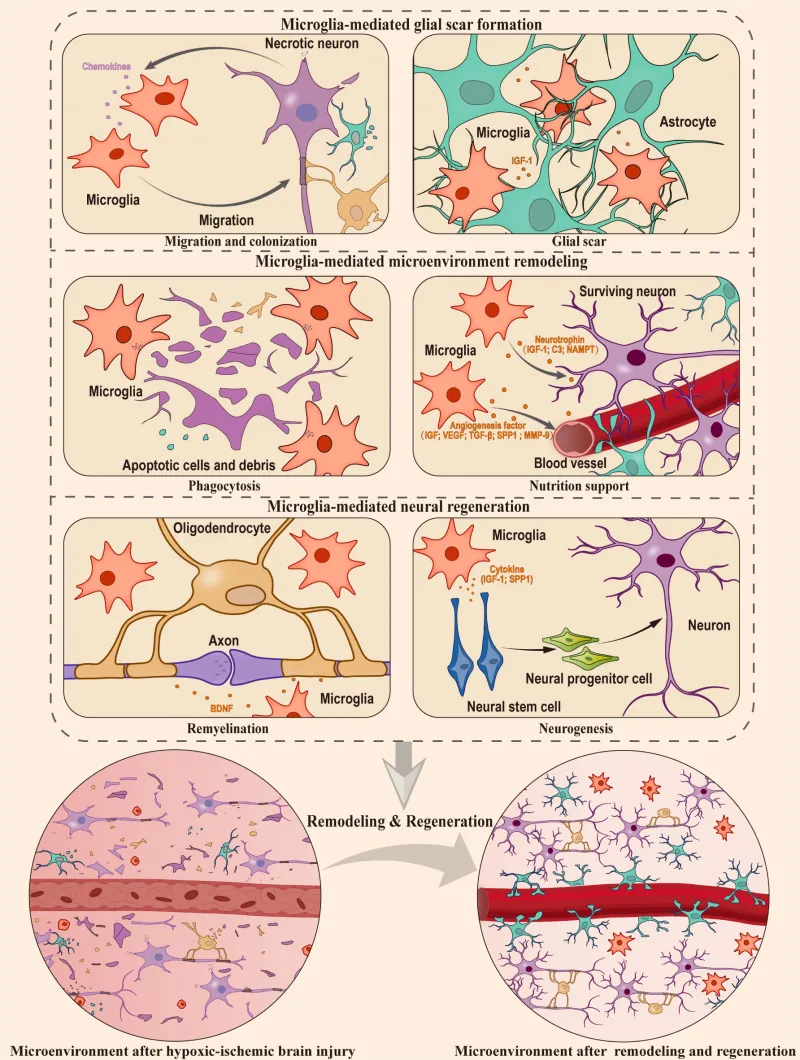
Modafinil as Neuroprotective Agent: Separating Preclinical Promise From Clinical Evidence in Neuroinflammation Research

Modafinil's identity as a wakefulness-promoting agent has largely overshadowed a parallel and increasingly substantive body of research examining its anti-inflammatory and neuroprotective properties. From microglial modulation to oxidative stress attenuation, preclinical findings have generated genuine scientific interest — and, in some cases, early clinical investigation. This article maps the current evidence landscape with precision, distinguishing what has been demonstrated in human subjects

Belief, Biology, and the Blurred Line: How Expectation Shapes Modafinil's Cognitive Outcomes

Belief, Biology, and the Blurred Line: How Expectation Shapes Modafinil's Cognitive Outcomes

Mounting evidence suggests that a meaningful portion of modafinil's perceived cognitive benefit may be mediated not by pharmacology alone, but by the psychological architecture of expectation. Understanding how placebo and nocebo dynamics interact with modafinil's genuine mechanism of action has become a clinically relevant challenge for practitioners and patients alike. This article examines the research, the measurement problems, and the practical implications for distinguishing real pharmacol

The Three-Month Inflection Point: Neuroadaptation, Ceiling Effects, and Evidence-Based Strategies for Sustaining Modafinil Efficacy

The Three-Month Inflection Point: Neuroadaptation, Ceiling Effects, and Evidence-Based Strategies for Sustaining Modafinil Efficacy

A clinically significant subset of modafinil users report robust cognitive gains during initial weeks of use, only to encounter a functional plateau near the twelve-week mark—a phenomenon distinct from classical tolerance. Understanding the neurobiological mechanisms behind this inflection point, and the evidence-based interventions available to bridge it, is increasingly relevant for clinicians managing long-term cognitive enhancement protocols.

When Sharper Focus Becomes a Cognitive Trap: Modafinil, Default Mode Network Suppression, and the Hidden Cost to Strategic Thinking

When Sharper Focus Becomes a Cognitive Trap: Modafinil, Default Mode Network Suppression, and the Hidden Cost to Strategic Thinking

Modafinil's reputation as a cognitive enhancer rests heavily on its capacity to sharpen task-focused attention—but emerging neuroimaging evidence suggests this same mechanism may suppress the diffuse, internally directed mental states that underpin creative synthesis and long-range planning. This article examines the neuroscience of default mode network activity, the trade-offs embedded in modafinil's attentional profile, and what clinicians and informed users should understand before assuming t

Prescribed Beyond Boundaries: Unpacking the Clinical and Regulatory Tensions Driving Modafinil's Off-Label Expansion

Prescribed Beyond Boundaries: Unpacking the Clinical and Regulatory Tensions Driving Modafinil's Off-Label Expansion

Modafinil holds FDA approval for three specific sleep-wake disorders, yet clinicians across the United States routinely prescribe it for psychiatric conditions ranging from treatment-resistant depression to bipolar fatigue. This article examines the evidentiary landscape behind these unapproved uses, the regulatory framework that permits prescriber discretion, and the ethical tensions that arise when clinical pragmatism outpaces rigorous proof.

When Modafinil Stops Delivering: Parsing Tolerance, Habituation, and the Evidence Behind Dose Escalation Versus Strategic Cycling

When Modafinil Stops Delivering: Parsing Tolerance, Habituation, and the Evidence Behind Dose Escalation Versus Strategic Cycling

Many long-term modafinil users report a gradual erosion of the drug's cognitive and wakefulness-promoting effects, prompting questions about whether true pharmacological tolerance has developed or whether other mechanisms are at play. This article examines the clinical evidence distinguishing genuine receptor-level adaptation from habituation and expectancy effects, and evaluates whether dose escalation, drug-free intervals, or alternative dosing protocols represent defensible, evidence-based re

When the Stakes Rise, the Drug Falters: Modafinil's Paradoxical Failure Under Acute Stress

When the Stakes Rise, the Drug Falters: Modafinil's Paradoxical Failure Under Acute Stress

Modafinil's reputation as a reliable cognitive enhancer rests largely on controlled laboratory findings—but emerging neurobiological evidence suggests the drug may actively undermine performance during the high-stakes, stress-saturated conditions professionals face most. This article examines how acute stress physiology, norepinephrine dysregulation, and amygdala hyperactivation interact with modafinil's mechanism of action to produce a paradox: the drug often works best when you need it least.

Alert but Underperforming: The Clinical Reality Behind Modafinil's Wakefulness-Performance Gap

Alert but Underperforming: The Clinical Reality Behind Modafinil's Wakefulness-Performance Gap

Modafinil reliably promotes wakefulness, but clinical evidence increasingly suggests that heightened alertness and optimized cognitive output are not synonymous. This article examines the neurobiological and pharmacological mechanisms that can drive a wedge between how awake a user feels and how effectively their brain is actually functioning. Understanding this distinction is essential for clinicians counseling patients and for individuals making informed decisions about cognitive enhancement.

After the Wakefulness: Navigating Rebound Fatigue, Mood Disruption, and Evidence-Based Discontinuation Protocols for Modafinil Users

After the Wakefulness: Navigating Rebound Fatigue, Mood Disruption, and Evidence-Based Discontinuation Protocols for Modafinil Users

Modafinil's discontinuation phase is frequently underrepresented in clinical guidance, leaving long-term users and their providers without a structured framework for safe cessation. This article examines the neurobiological underpinnings of post-cessation fatigue and mood disturbance, outlines expected symptom timelines, and presents evidence-informed tapering strategies designed to minimize functional disruption during the transition off modafinil.

Sharpened Focus, Narrowed Horizons: The Cognitive Trade-Offs Hidden Inside Modafinil's Attention Enhancement

Sharpened Focus, Narrowed Horizons: The Cognitive Trade-Offs Hidden Inside Modafinil's Attention Enhancement

Modafinil's capacity to sharpen sustained attention is well-documented, yet emerging neuroimaging and behavioral research suggests this enhancement may carry a measurable cost: reduced cognitive flexibility and diminished capacity for divergent thinking. For professionals whose work demands both analytical precision and creative problem-solving, understanding this paradox is not merely academic—it is clinically consequential.

The Social Brain on Modafinil: Emotional Processing, Empathic Accuracy, and the Interpersonal Consequences of Cognitive Enhancement

The Social Brain on Modafinil: Emotional Processing, Empathic Accuracy, and the Interpersonal Consequences of Cognitive Enhancement

Modafinil's reputation as a wakefulness-promoting agent has long overshadowed its measurable effects on emotional and social cognition. Emerging neuroimaging and behavioral research suggests the drug meaningfully modulates amygdala reactivity, theory of mind performance, and empathic responding—dimensions of cognition that matter enormously for professionals whose work depends on reading people as much as processing information. Clinicians and informed patients should weigh these interpersonal e

Modafinil in Post-Viral Fatigue and Cognitive Fog: Parsing the Evidence From Promise to Proven

Modafinil in Post-Viral Fatigue and Cognitive Fog: Parsing the Evidence From Promise to Proven

As millions of Americans continue to report disabling cognitive symptoms following COVID-19 infection, clinicians are increasingly turning to modafinil as an off-label intervention for post-viral fatigue and brain fog. This investigative review evaluates the current evidence base across long COVID, myalgic encephalomyelitis/chronic fatigue syndrome, and related neuroinflammatory conditions—distinguishing where the data are encouraging from where they remain inconclusive.

Memory on Modafinil: Separating Genuine Encoding Effects from Alertness-Mediated Performance Gains

Modafinil's reputation as a cognitive enhancer extends well beyond its FDA-approved wakefulness indication, with a growing body of neuroimaging and psychometric data pointing to discrete effects on memory encoding, consolidation, and retrieval. However, disentangling true mnemonic enhancement from the confounding influence of improved alertness remains a central challenge in the literature. This review examines the clinical evidence with precision, drawing implications for the students, research

Prefrontal Power and Its Limits: What Modafinil Really Does to Judgment, Impulse Control, and Decision-Making Under Pressure

Prefrontal Power and Its Limits: What Modafinil Really Does to Judgment, Impulse Control, and Decision-Making Under Pressure

Modafinil's cognitive effects extend well beyond simple wakefulness promotion, with emerging clinical evidence pointing to meaningful modulation of prefrontal cortex activity and executive function. For high-stakes professionals including surgeons, military pilots, and financial traders, these effects carry both promise and significant nuance. Understanding where modafinil's cognitive benefits end and its risks begin is essential for any clinician or informed patient considering its use.

Rethinking ADHD Pharmacotherapy: The Clinical Case for Modafinil as a First- or Second-Line Option in Adults

Rethinking ADHD Pharmacotherapy: The Clinical Case for Modafinil as a First- or Second-Line Option in Adults

As amphetamine-based treatments face mounting concerns around abuse potential and tolerability, a growing body of clinical evidence positions modafinil as a credible alternative for adult ADHD management. This review examines the trial data, mechanistic distinctions, and regulatory considerations shaping off-label prescribing decisions. Clinicians navigating complex ADHD presentations may find the evidence more compelling than conventional treatment hierarchies suggest.

Prescription Ambition: Modafinil Use Among Medical Trainees and the Institutional Reckoning It Demands

Prescription Ambition: Modafinil Use Among Medical Trainees and the Institutional Reckoning It Demands

Medical students and residents increasingly turn to modafinil and armodafinil to manage the cognitive demands of grueling training schedules, yet institutional policies remain inconsistent and the clinical evidence for benefit is more nuanced than popular perception suggests. This article examines the neurobiological rationale behind stimulant-free wakefulness promotion, the ethical fault lines that divide medical educators, and what evidence-based guidance actually looks like for this high-stak

Under the Microscope: What Clinical Evidence Reveals About Modafinil Use in High-Stakes Professions

Under the Microscope: What Clinical Evidence Reveals About Modafinil Use in High-Stakes Professions

From military aviators to surgical residents, modafinil's off-label use as a cognitive enhancer in high-pressure professional settings has attracted substantial scientific scrutiny. A review of the available clinical trial data, occupational research, and regulatory guidance presents a nuanced picture — one that balances genuine performance benefits against important safety, ethical, and legal considerations.